Support for the E-ACRS program
Indigenous Services Canada's Extended Asset Condition Reporting System (E-ACRS) is part of the Capital Facilities and Maintenance Program. About every three years it arranges condition inspections of ISC-funded infrastructure. Your community receives findings in an executive summary; ISC uses that data to update its Integrated Capital Management System (ICMS).
That inspection cycle sets the baseline — but public works teams need asset and condition records kept current the rest of the year, not only when the next visit is scheduled.
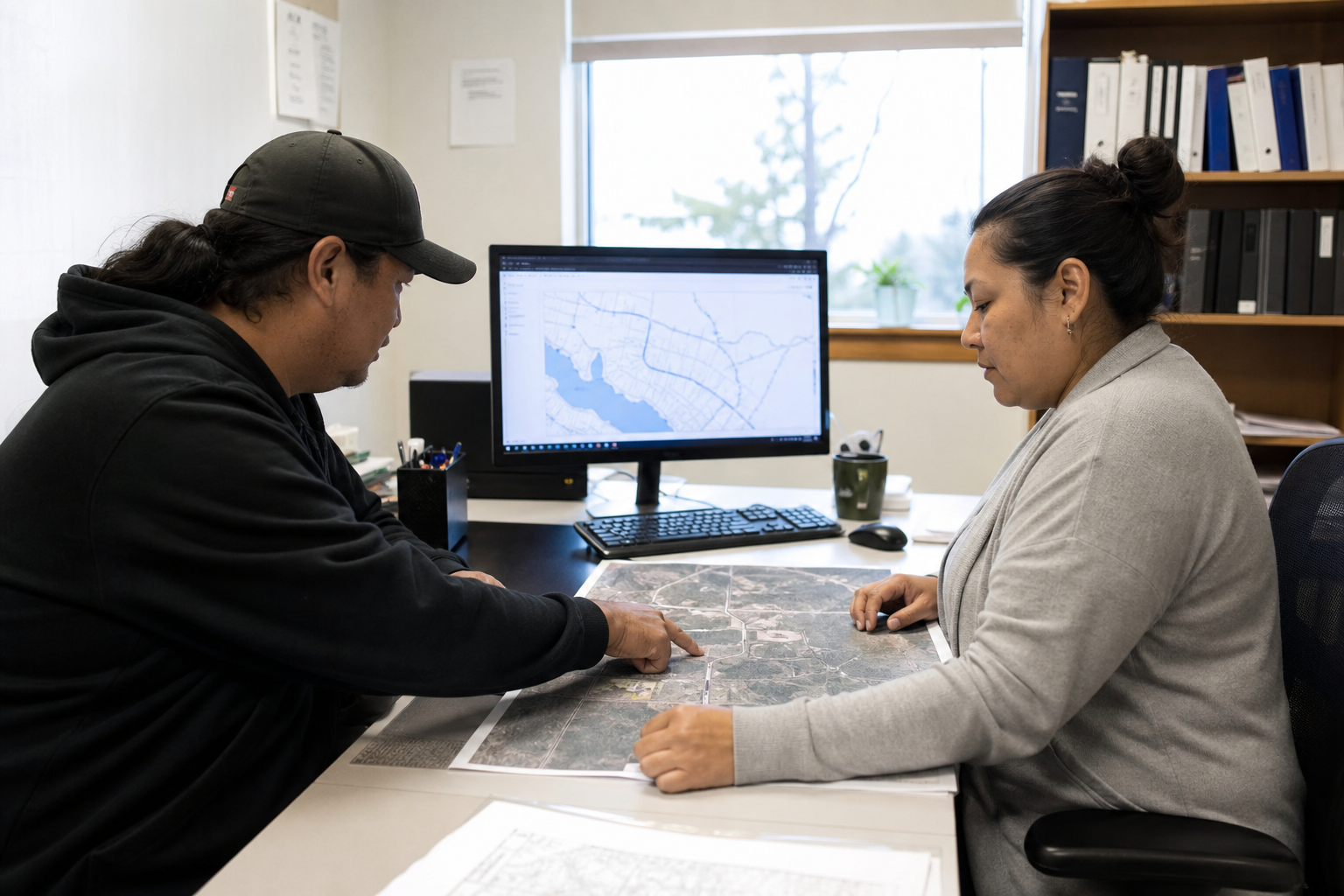
LOUIS Assets is the system your team runs day to day — maps, inventory, inspections, and maintenance between E-ACRS cycles and after, where that asset information lives and stays usable year-round.
- ✓Living condition register — keep asset and component condition current, not only when a consultant visit is due
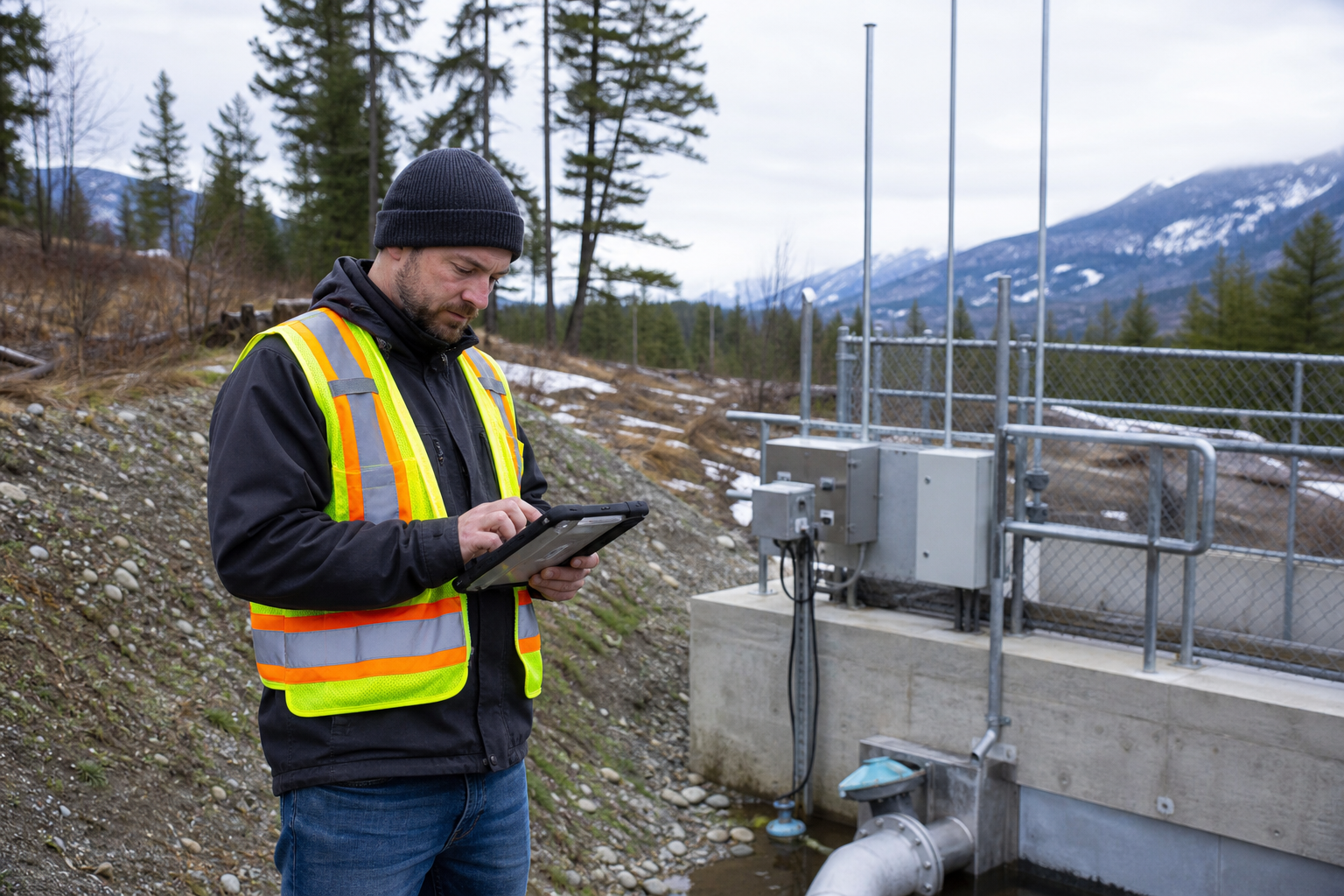
- ✓Inspections on the map — field assessments tied to each asset, with history your team can update
- ✓Lifecycle and capital planning — track deficiencies, replacement timing, and maintenance so E-ACRS findings feed ongoing community planning
- ✓Reports at hand — pull condition and maintenance evidence for Council, funders, and ISC reporting — without rebuilding files from scratch